• Skip to primary navigation
  • Skip to main content
Discovery Isle
  • About Us
    • History
    • Locations
    • Private Preschool Advantage
    • Health & Safety
    • Blog
  • Preschool
    • Overview
    • Our Curriculum
    • Family Communication
    • Infants
    • Toddlers
    • Beginners (2-3 yrs)
    • Intermediates (3-4 yrs)
    • Pre-K
  • Camp & After School
    • Summer Camp
    • Before & After School
Contact Us
 
  • About Us
    • History
    • Locations
    • Private Preschool Advantage
    • Health & Safety
    • Blog
  • Preschool
    • Overview
    • Our Curriculum
    • Family Communication
    • Infants
    • Toddlers
    • Beginners (2-3 yrs)
    • Intermediates (3-4 yrs)
    • Pre-K
  • Camp & After School
    • Summer Camp
    • Before & After School
Contact Us

racheldoumel

Tasty Lessons: Creative Food Activities for Kids

With Thanksgiving just around the corner, it’s the perfect time to turn mealtime favorites into hands-on, educational fun! Food is something most kids love to explore, so why not use it for crafts and activities at home? These creative ideas help children explore science and math, spark imagination, and build important skills.

Painting with Food

Set up paper plates with thin layers of washable tempera paint on top. Do you have some onion, celery, or other leftover veggies from Thanksgiving? Your child can dip different foods into the paint and create art on blank paper. Use celery stalks to stamp, carrot leaves to spread color, or broccoli for fun prints! This activity is all about creativity, exploration, and having fun with colors and textures.

Color-Changing Food Experiment

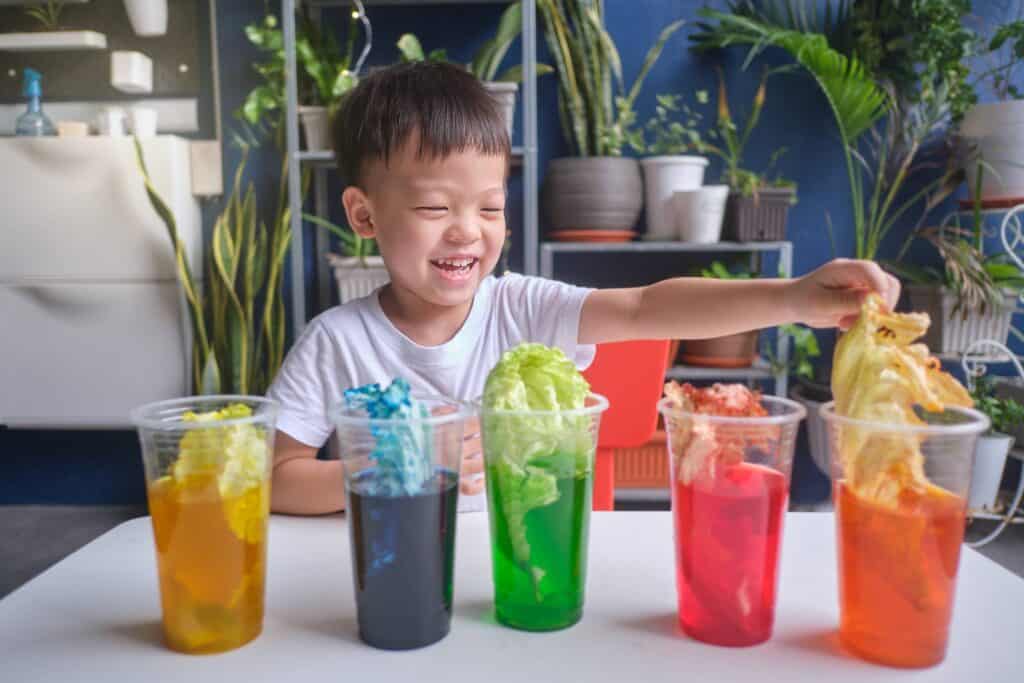
Grab some clear cups and fill each with water and a different color of food coloring. Place a celery stalk or cabbage leaf in each cup and observe with your child as the colors travel up the food! This is a fun science experiment to help understand how water and nutrients are carried through plants.

Cereal Bracelets

You’ll need a long piece of yarn or string, tape, and some ring-shaped cereal. Tape one end of the string to the table and let your child thread the cereal, one piece at a time. Encourage them to count each piece. If using colored cereal, try making patterns! This exercise builds fine motor skills and boosts early math skills.

Pancake Art

This one’s a little hands-on for caregivers, but so much fun for kids! Make pancake batter a bit thinner than usual and remove clumps. Divide the batter into separate squeeze bottles, making each one a different color with food coloring. Shake to mix, then let your child squeeze the colored batter onto a low-heat griddle to create pancake art. (Remind them to stay a safe distance from the hot pan!)

Edible Playdough

This sweet-smelling playdough is a sensory favorite for little hands! Using simple ingredients like flour, cornstarch, salt, and a flavored Jell-O or instant pudding mix, you and your child can create a soft, colorful dough that’s safe to taste. Simply mix, cook until it thickens, and knead until smooth. Kids can squish, roll, and shape it while enjoying the fun fruity scent. Store in an airtight container in the fridge for up to a week.

Pretend Grocery Store/ Market

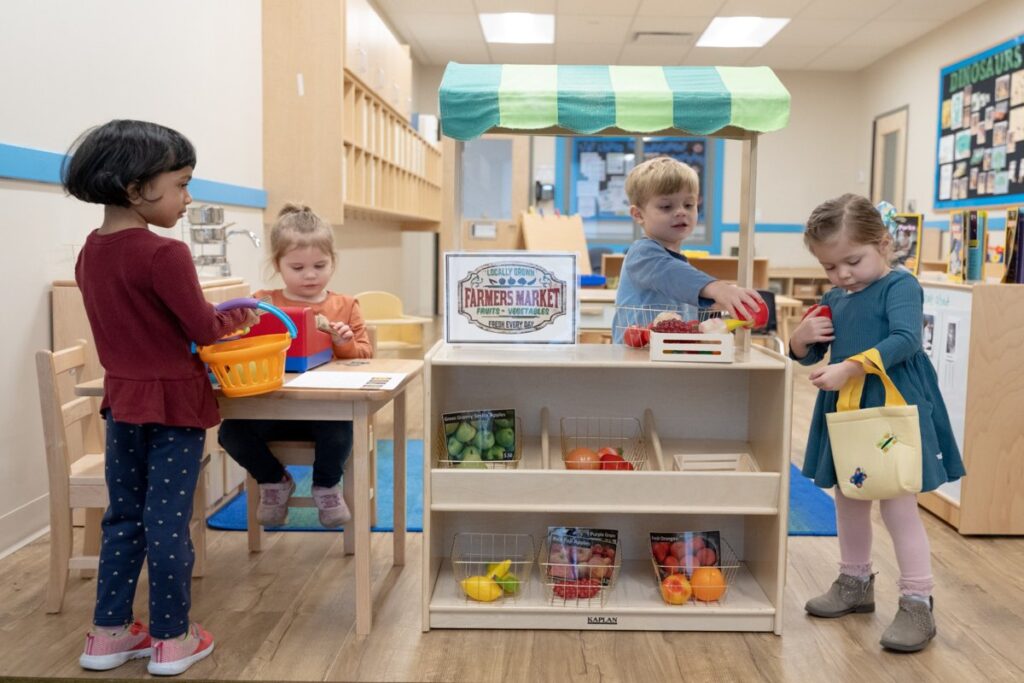
Let your child take the lead here! Tell them you’re ready to do some shopping and want to buy food from their store. Encourage them to create their market however they like, with tables, displays, signs, anything! Supply kid-friendly items like apples, oranges, or packaged pantry foods—anything that’s easy to handle and won’t get messy. Let their imagination run the checkout line!

Sensory Bin

This is a fun activity for your child to enjoy while you’re preparing meals. Fill a large bin or bowl with dry foods like pasta, cereal, or rice. Give your child spoons, bowls, and cups, and encourage them to scoop, fill, and pour. Ask if they’re “cooking” something, too! This activity is a wonderful sensory experience that also strengthens fine motor skills. Switch up the materials to keep this activity engaging. Remember to be mindful of choking hazards and never leave your child unattended.

Mystery Food Bags

Use a paper bag, tissue box, or anything that hides a food item. Let your child explore with their hands (or even blindfold them) and describe what they feel, and maybe smell! Give clues if needed. This fun activity engages their senses, builds language, and strengthens reasoning skills.

Edible Mosaics

Introduce your child to mosaics by showing simple examples and explaining how tiny pieces come together to make a picture. Depending on age, either you or your child can “paint” a piece of paper with honey or yogurt. Then, supply your child with a variety of small, edible items like cereal, blueberries, raisins, or dried fruit cut into small pieces. Encourage them to arrange the pieces on paper to create their own mosaic masterpiece! *Only give honey to children ages 1 and older

Frozen Fruit Excavation

Grab small foods like mandarin slices, blueberries, or strawberries and place a few in an ice cube tray. Freeze, then let your child “excavate” the frozen treats! Ask questions like, “What do you think will happen to the ice?” and “How can we get the fruit out?” Explore how tools and temperature affect the ice while having fun with this hands-on science experiment.

In our classrooms, children explore and discover through activities just like these, sparking curiosity, creativity, and problem-solving every day. If you’d like to see how we make learning engaging and meaningful for every child, contact us today!
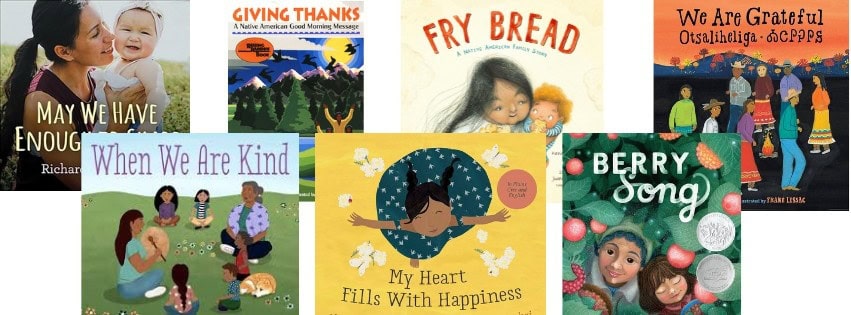
7 Books to Celebrate Native American History

Reading can open a window into new worlds. This November, we celebrate Native American History Month with books that teach children about family, community, and our connection to nature. Each story shares lessons in gratitude, kindness, and the traditions of Native peoples.

Fry Bread by Kevin Noble Maillard

Fry bread is more than beloved food. It embodies history, family, and more. Through this story, children can see how food connects us to people and culture. 

We Are Grateful: Otsaliheliga by Traci Sorell

In this story, we journey with the Cherokee people through a year of seasons, expressing thanks for each one. Children learn about meaningful ceremonies, joyful celebrations, and traditional foods. This book teaches the value of gratitude while immersing readers in the Cherokee language and culture.

My Heart Fills with Happiness by Monique Gray Smith

Through the perspective of a young Native American child, this story celebrates the simple moments that bring children joy, such as seeing the face of someone they love, feeling the warmth of sunlight on their skin, and walking barefoot on the grass. 

When We are Kind by Monique Gray Smith

This gentle story shows children many simple yet powerful ways to show kindness. It explores how small acts of kindness can brighten someone’s day, and make their own hearts feel happy with joy and warmth.

May We Have Enough to Share by Richard Van Camp

This beautifully crafted board book features striking photographs by Indigenous women, each page expressing heartfelt wishes such as “May we have enough to share” or “May we have enough to help.” Through its images and words, the book celebrates themes of love, nature, and community, making it both a visually stunning and deeply meaningful read for young children.

Berry Song by Michaela Goade

A young Tlingit girl and her grandmother gather gifts from the earth. As they work, they sing to the land and give thanks for its abundance. This beautifully told story highlights the deep connection between people and nature.

Giving Thanks: A Native American Good Morning Message by Chief Jake Swamp (Tekaronianeken)

This book shares a daily message of gratitude drawn from the Haudenosaunee (Iroquois) Thanksgiving Address. Each page gives thanks to the earth, plants, animals, and people, while teaching children about the profound interconnectedness of all life. It is a wonderful way to begin or end the day with gratitude and mindfulness.

At our school, we believe children benefit from learning about the many cultures and traditions that shape our world. Books, meaningful discussions, and intentional, engaging hands-on experiences help students explore different ways of life. They embrace and honor the qualities that make each person unique, cultivating empathy and a deep respect that inspires them to understand and care for others.

To learn more about how we bring learning to life in the classroom, contact us today!

Screen Time Tips for Toddlers and Preschoolers

Screen Time Tips for Toddlers and Preschoolers

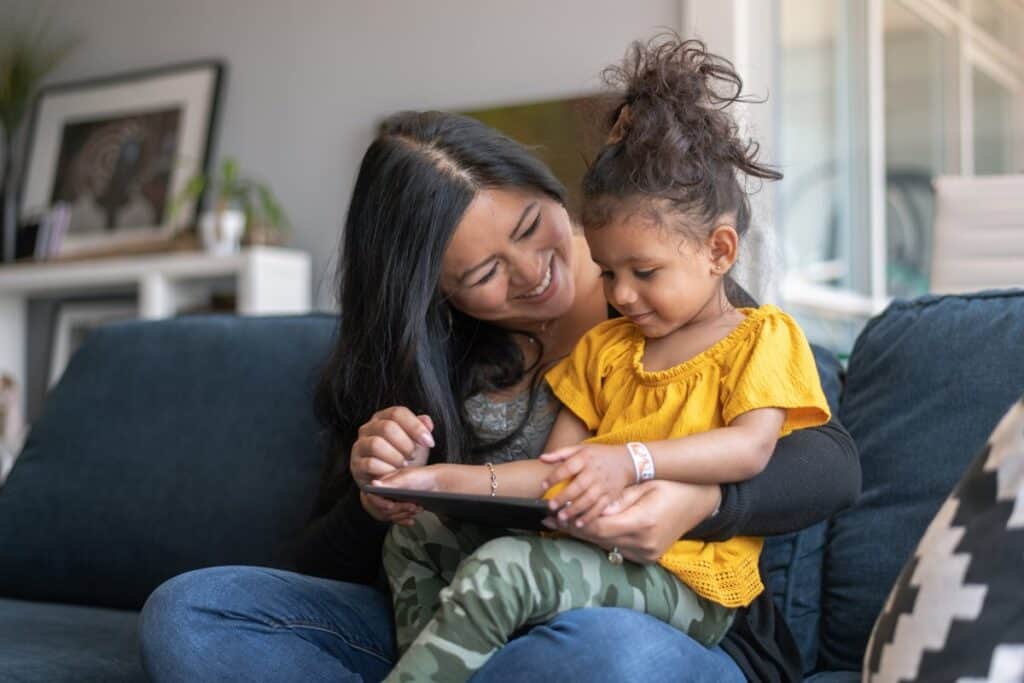
Screens are everywhere—TVs, phones, tablets, and more. Every family handles screen time differently, and it can be hard to decide how much to allow. Setting limits is important, but sticking to them can be hard. These tips can help you keep screen time safe, healthy, and balanced.

What the Experts Recommend

The American Academy of Pediatrics suggests no screen time for children under 18 months. For children ages 2 to 5, the recommendation is no more than one hour a day, and only high-quality programs.

The Impact of Screen Time in the Early Years

The first five years are a critical time for brain growth. Children learn best through play, conversation, and real-world experiences. Too much screen time can interfere with sleep, attention, and social development. That’s why it’s important to balance screens with active play and family time.

Tips for Managing Screen Time

Here are some ways to keep screen use safe and positive if you choose to include it in your child’s routine:

  • Choose high-quality content. Opt for educational shows, games, or apps that encourage problem-solving, creativity, or learning. Public broadcasting and trusted child development organizations often share reliable recommendations.
  • Watch together. Co-viewing allows you to engage with your child during screen time—asking questions, exploring new ideas, and connecting what they see on-screen to real life. The Joan Ganz Cooney Center calls this “joint media engagement,” and it can transform passive viewing into meaningful learning.
  • Set clear limits. Decide when and how long screens are allowed, and keep a routine. For example, one hour in the evening while dinner is cooking. Predictability helps children know what to expect.
  • Avoid screens during meals and bedtime. Keeping meals screen-free encourages conversation, while turning off screens at least one hour before bedtime supports better sleep.
  • Focus on safety. For older preschoolers who may explore online content, use parental controls, disable in-app purchases, and supervise closely.
  • Prepare for transitions. Give warnings like, “Ten more minutes, then we’ll pick a new activity.” Have another option ready so your child can switch more easily.
  • Encourage movement. For every 20–30 minutes of screen time, invite your child to stretch, dance, or play outside.
  • Model healthy screen habits. Children learn by watching the adults around them, so if they often see you on your phone or another device, they’ll likely want to do the same. Stay present during playtime, set aside moments for reading and hands-on activities, and be mindful of your own screen use.

Key Takeaways

Toddlers and preschoolers learn best through play, creativity, and face-to-face time with family and friends. Limiting screens and keeping balance helps your child grow in a safe, healthy

Celebrating Fall: Crafts and Activities for Your Preschooler

Fall is here! The leaves are changing, the air is crisp, and it’s the perfect time for some fall fun with crafts and activities. From pumpkin projects to apple treats, all paired with seasonal book recommendations, these activities are designed to delight your preschooler, spark creativity, and create joyful memories to treasure.

Create Leaf Art

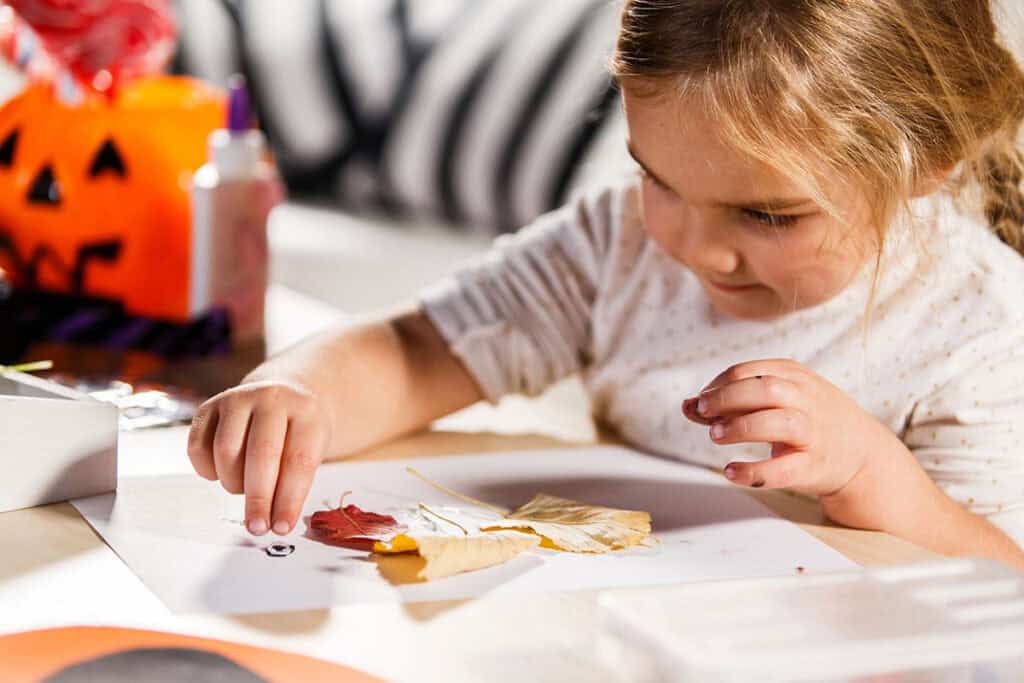
Go on a leaf scavenger hunt, inviting your child to collect their favorites. Then, head inside and gather some construction paper and glue. Ask your child to create leaf art by gluing their leaves onto the paper to create simple collages and designs, or more distinct images like animals or people. Encourage them to take their time, talk about their creations, and even write or tell a story about their picture.

Book Suggestion: Leaf Man by Lois Ehlert – A beautiful picture book showing all sorts of images created by leaves.

Make Fall Lanterns

You’ll need some small, soft leaves, a plastic decorative jar or glass mason jar, and child-friendly Mod Podge. Have your child “paint” the back of each leaf and press them onto the jar. Let those dry, then add another layer of Mod Podge over the leaves and jar. Once everything dries, place a battery-operated candle inside, and your child will have a beautiful and warm seasonal light for their bedroom. *For easier application, you can also use fall-colored tissue paper leaves.

Book Suggestion: If You Find a Leaf by Aimée Sicuro – Similar to Leaf Man with its imagery, but the end of the story shows a leaf campfire and a child sleeping in their bedroom with a lamp beside them.

Go Apple Picking and Make Apple Pie Cups

Your child will love picking apples at the orchard! Once you’re back home, chop up the harvested apples into small pieces. In a muffin tin, have your child place pre-made biscuit dough in each opening. Next, your child can mix the apples with cinnamon and sugar, then place the mixture in each cup. Add a dab of butter to the top of the apple filling. Bake at 375°F for 15–20 minutes, or until the pastry is golden and the apples are tender. Enjoy! 

Book Suggestion: Apple Farmer Annie by Monica Wellington – Follow along as Annie tends to her orchard, harvests apples, and bakes delicious apple treats.

Dramatic Play: Farmers Market or Pumpkin Farm

Take a trip to the farmers market or pumpkin farm, and have your child pick out some small pumpkins, gourds, and apples. Supply your child with bins for their produce and encourage them to set up a small shop, kitchen, or farm of their own! You can also challenge them to sort their goods by shape, color, size, or type. 

Book Suggestion: Pumpkins and Apples by Anne Rockwell – A young girl and her parents visit a local farm to pick apples and choose the perfect pumpkin.

Make Pumpkin Ornaments

Directions for making salt dough can easily be found online. Have your child help you mix the dough and create the pumpkin shapes, then press their handprint onto it. Once it’s dry, they can paint the pumpkin orange and add a green stem. A special treat for you as you now have a keepsake to treasure forever! 

Book Suggestion: The Legend of Spookley the Square Pumpkin by Joe Troiano. Spookley the Square Pumpkin learns that being different is something to celebrate. After reading the story, talk with your child about how everyone is different, and that’s a good thing! Notice that no two fingerprints are the same and compare each other’s fingerprints.

Pumpkin Playdough

Mix 1 cup canned pumpkin puree, 1/2 cup cornstarch, 1/2 cup all-purpose flour, 2 teaspoons pumpkin pie spice, and 1 tablespoon of vegetable oil. Mix and knead until a dough forms. If it’s too wet or sticky, you can add more flour. Once it’s ready, your child will enjoy the scents of fall as they work with the dough. You can also provide your child with fall-themed cookie cutters such as leaves, pumpkins, and acorns. 

Book Suggestion: The Smell of Fall by Mary Ann Hake – April, who is blind, explores the autumn season by experiencing its rich scents, from the crisp air at school to the earthy aromas on a farm, celebrating the beauty of fall.

Have a Spooky Story Night

Create a warm ambiance with a lit fireplace, candles, or twinkle lights. Gather up some cozy blankets and pillows and a flashlight. Read some spooky (but not too scary!) stories as a family. Encourage your child to make up their own spooky story, too! They can even use props like a pumpkin or broom to act out their story. This would be fun to pair with themed snacks or Halloween treats. 

Book Suggestions: Room on the Broom by Julia Donaldson, The Little Old Lady Who Was Not Afraid of Anything by Linda Williams, and Click, Clack, Boo!: A Tricky Treat by Doreen Cronin – all bringing spooky twists and fun!

Make Jack-0-Lantern Rocks

Children love to decorate pumpkins. Decorating rocks instead makes the fun last longer! Collect some smooth rocks from your yard, then wash and dry them. Next, have your child paint them orange. Once dry, your child can add all kinds of jack-o-lantern faces! They’ll really love it if you sit beside them and make some jack-o-lanterns as well. Washable markers will get the job done, but for more vibrant faces, and if you’re brave, paint markers work great. 

Book Suggestion: Ten Little Jack O Lanterns by Amanda Sobotka – A fun, counting story where ten pumpkins disappear one by one, leading up to a Halloween surprise!

When Not to Help Your Child: Fostering Independence and Confidence

When Not to Help Your Child: Fostering Independence and Confidence

As parents and caregivers, it’s natural to want to step in right away when we see our child struggle. We want to make things easier and faster and avoid frustration. But sometimes, the kindest way to support children is by letting them figure things out for themselves. Every day, at school and at home, your child encounters opportunities to feel the joy of accomplishment. It’s our job to give them the space for success. 

Building Independence at School

We believe that fostering independence and teaching kids self-confidence in the early years is one of the greatest gifts we can give. Our classrooms are designed to encourage responsibility, self-care, and confidence with teachers who guide children patiently as they practice doing things on their own. Would you believe that toddlers can help clean up after they eat? It’s true! In our toddler and 2-year-old classrooms, children bring us their dishes after meals, help tidy up toys, and locate their own coats when it’s time to head outside.

By the time our students are ready for kindergarten, they’re independent in many everyday skills—zipping coats, washing hands, following routines, and even taking on classroom jobs. Our teachers model these skills, then step back to let children try on their own. Often, this means standing nearby with patience and encouragement as a child wrestles with a zipper or carefully pours water into a cup.

And when they succeed? The look of pride on their face says it all. These “I did it myself!” moments help children’s confidence bloom and grow. It’s one of the many benefits of letting kids do things on their own: children not only gain practical skills but also learn to believe in their abilities.

Encouraging Independence at Home

There are lots of ways to encourage independence at home, too. Check out our list of suggested activities. At first, you may need to model these skills. Over time, let your child take the lead.

  • Watering plants with a small cup or watering can
  • Setting napkins on the table at mealtime
  • Putting toys away into labeled containers
  • Pouring and serving using a child-sized pitcher or spoon
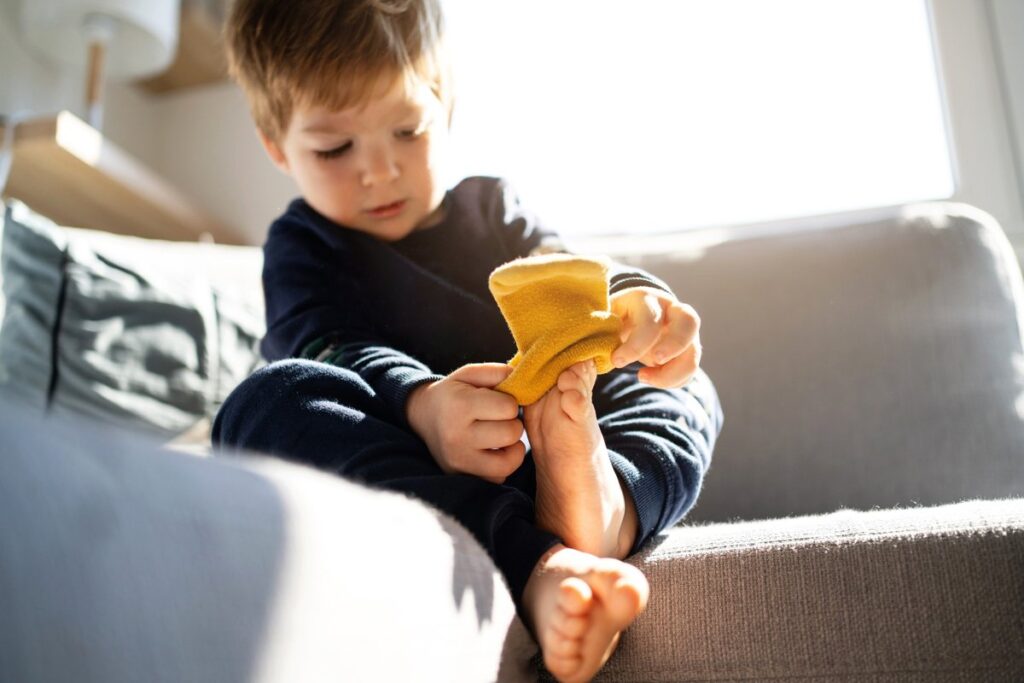
  • Practicing dressing skills such as putting on socks, shoes, or coats
  • Helping with clean-up by wiping a table and bringing their dishes to you or the sink
  • Building self-care habits like brushing teeth or washing hands

Why Parents Shouldn’t Always Help

It’s only natural to want to jump in when your child is struggling, but stepping in too soon can keep them from growing. Kids need the chance to work through tasks on their own so they can build persistence, coordination, problem-solving skills, and a genuine sense of pride. Without those opportunities, they may begin to doubt their abilities—when often they just need a little more time and space to figure things out.

By holding back, you’re allowing your child to experiment, make mistakes, and discover solutions. If you notice them fumbling with a button or sorting toys into the wrong bin, try not to rush in. Instead, encourage their effort with simple phrases like, “You’re doing great!”, “Almost. You can do it!”, or “It’s okay, take your time.”

It’s also important to let go of perfection. A backwards sock or a bed that wasn’t made quite right is fixable. What matters most is that your child is trying and learning.

A Community that Builds Confidence

At school and at home, children thrive when adults work together to support independence. Our teachers guide children through daily routines, celebrate their achievements, and encourage patience as they learn new skills. When parents also incorporate these strategies at home, children gain consistency, confidence, and trust in their own abilities.

These early moments of independence add up. Each time a child pours their own water, zips their jacket, or solves a simple math problem on their own, they are learning more than just a new skill—they are building confidence for a lifetime. Over time, these experiences help children believe in their own abilities so they can say with pride and certainty, “I can do it!”

To learn more about how we build independence and confidence in our students, contact us today! 

How Bedtime Routines Promote Connection

How Bedtime Routines Promote Connection

By the end of the day, everyone’s tired. As a parent, you may even be counting down the minutes to lights out. But even on those exhausted evenings, taking the time to follow a bedtime routine can offer great benefits for your child, and you! Connecting with your child at bedtime helps create a sense of calm and feelings of safety and closeness. Over time, small but powerful bedtime moments build a strong foundation of trust and emotional connection.

Why You Should Create a Bedtime Routine

Children thrive on predictability, and bedtime is the perfect place to add it. When you create a bedtime routine, you’re giving your child a sense of comfort and control. Knowing what comes next helps them relax and transition from a busy day to a peaceful night—making bedtime calmer for your child, and less stressful for you. With a routine in place, you might even get to bed sooner and get more rest.  A benefit often overlooked.

Simple Moments That Make a Big Impact

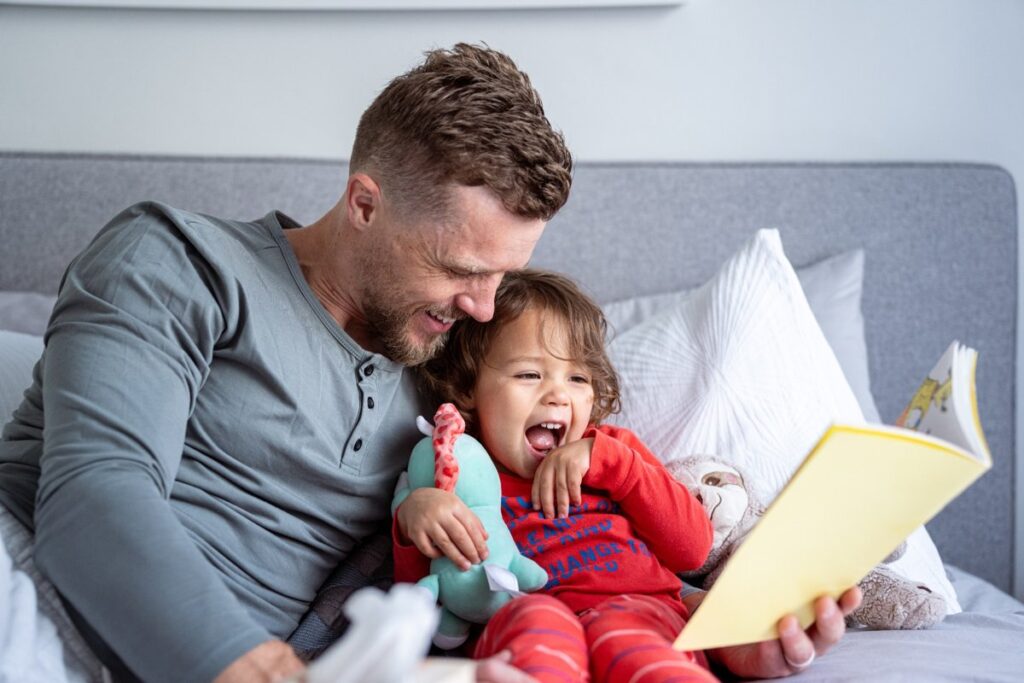
A bedtime routine doesn’t have to be long or complicated. It’s about providing a gentle rhythm your child can count on. That might mean taking a bath, brushing teeth, picking out pajamas, and then winding down together with a quiet activity. Reading a book is a favorite for many families—and for good reason. The emotional benefits of bedtime stories include building language skills, sparking imagination, and—perhaps most importantly—creating a cozy moment of connection that helps children feel calm and loved.

A Chance for One-on-One Time

For many families, bedtime might be the only quiet moment in a long, busy day. It’s a natural time to slow down, be present, and enjoy being together without distractions. Even five to ten minutes of your undivided attention can mean so much. Singing a lullaby, telling a story, or simply quietly rocking in a chair together can strengthen the bond you share. When you make time for this, you’re helping your child feel safe, seen, and heard. 

Talking About the Day

Bedtime can be the perfect time to have meaningful conversations with your child. As the day comes to a close, children are often more open to sharing their thoughts and feelings. Ask open-ended questions like, “What made you laugh today?” or “What was your favorite activity at school?” Be sure to also ask things like, “Did anything make you sad today?”—and then take the time to  listen closely and respond with empathy. These conversations help children reflect, feel supported, and process emotions, reinforcing that their thoughts and feelings matter.

Comfort Through Touch and Closeness

Physical comfort plays a big role in emotional connection. A gentle hug, stroking your child’s hair, or cuddling close during storytime sends a powerful message: you’re safe, and I’m here. These small acts of love can release calming hormones in both parent and child, lowering stress and helping everyone feel more relaxed.

The Sweet Spot at the End of the Day

Bedtime isn’t just about brushing teeth and turning out the lights—it’s a chance to slow down, laugh a little, snuggle a lot, and make space for what matters most. Establishing consistent bedtime routines might not seem big in the moment, but they do important work: helping your child feel safe, loved, and connected—and, over time, building the foundation for emotional security and a strong parent-child bond.

The Benefits of Small Group Learning in Centers

The Benefits of Small Group Learning in Centers

At our school, we believe that learning happens best when children can explore, create, and play in meaningful ways. That’s why our preschool classrooms are designed around center-based learning. “Centers” are clearly defined areas where small groups of 2 to 6 children gather to explore materials, work together, and make discoveries. This kind of play helps children make connections between abstract concepts and real-world experiences. Let’s dive into what centers look like in the classroom and explore their benefits. 

Center-Based Learning in Action

Our classrooms feature a variety of Centers designed to encourage small group engagement, including Language & Literacy, Dramatic Play, Math, Science, Construction, and more. Each center builds on different skills, but they all foster collaboration and communication and spark new ideas. For example, while experimenting with magnets in the science center, one child’s curiosity might ignite a group investigation. At the writing center, classmates may inspire each other to add details to their stories or drawings. These moments are rich with opportunity as they help children learn from one another. 

Why Small Group Learning Matters

Small group activities for preschoolers offer a calm, focused space for learning and allow for more individualized attention. While children explore within the centers, our teachers spend time with them in small groups. They guide play, ask questions, and support learning that fits each child’s needs. In these safe, encouraging settings, children are more likely to try new things and grow their confidence. 

How Small Groups Support Social Skills

One of the key benefits of small group learning is how it builds social and conflict resolution skills. When preschoolers work together, they learn to share, take turns, and listen to others. Children in the dramatic play center may take on roles like shopper and cashier. At the construction center, they might work together to build a sturdy house for the Three Little Pigs. These group activities help children form friendships and learn how to be part of a team, essential skills for school and life. 

It’s important to note that independent exploration has value, too. Children sometimes engage with centers on their own, following their interests and making discoveries at their own pace. Independent exploration fosters self-direction, focus, and confidence. During these quiet moments, teachers remain nearby, offering gentle guidance and support as needed. 

Why Choose Small Group Learning for Your Preschooler?

Choosing a preschool program with a focus on small group activities gives your child many advantages. They receive personal attention, practice social skills, and learn in a way that builds confidence and curiosity. Our center-based learning approach reflects our commitment to nurturing confident, capable learners. We’re proud to offer an enriching preschool experience where small group learning and working together make a big difference.

To learn more about our center-based learning approach, contact us today!

Peace of Mind: How Our Infant and Toddler Programs Support Your Return to Work

We know how emotional it can be to think about leaving your little one in someone else’s care as you return to work. Whether it’s your first time or not, the transition can be hard for both you and your child. That’s why we’re here to support your whole family every step of the way. From personalized care routines to real-time communication, we make sure you feel confident and connected, even when you can’t be with your child.

Trained Teachers Who Truly Care

Our infant and toddler teachers are specially trained to understand the unique needs of this age group. With ongoing professional development, they stay current on best practices and continue to grow in their ability to care for your child. Their experience, patience, and warmth make all the difference in helping your little one feel safe, loved, and ready to learn.

Personalized Infant Care Starts Before Day One

When it comes to daycare for infants, it’s not one-size-fits-all. Before your child’s first day, we’ll meet with you to learn all about your family. We want to know your preferences and your child’s habits—including sleep and feeding routines, as well as how they are best comforted. With personalized infant care, your baby’s day is designed just for them. Each infant follows their own schedule for naps and feedings, and our teachers follow their cues to make sure their needs are met with care and consistency. Whether your child drinks breast milk, formula, or is starting baby food, we handle every step safely and attentively.

Settling into our Toddler Classroom

Our toddlers begin to follow a more structured schedule, and we know this change can take time. That’s why we work together with families to make the transition to the classroom as seamless as possible. Here, you can expect daily routines that include age-appropriate meals, nap times, and learning experiences. We only offer toddler-safe foods in small, manageable pieces to reduce the risk of choking. If your child has food allergies or dietary needs, we’re prepared. Teachers are trained to respond quickly, and emergency medications stay with your child at all times. Your child’s safety is always top of mind.

Easing Into a Full-Time Schedule

Not quite ready for full-time care? That’s okay—we’re here to help you ease into it. Many families start with a short drop-off, just a few hours, and gradually work up to a full day. This flexible approach can make the transition more comfortable for both children and parents. Of course, every child is different. Some families find that starting with their regular weekly schedule leads to a smoother and quicker adjustment. Remember, you can call anytime to check-in. 

Bonus tip: Drop off your child’s supplies and complete any paperwork before their first day. With those details out of the way, you can give your full attention to your child. 

Open Communication

We know that staying in touch matters. Before your child’s first day, you’ll download our Links 2 Home app, which keeps you connected throughout the day. You’ll receive updates about meals, naps, diaper changes, and activities, along with photos of your child. Parents especially love the real-time messaging feature. Forgot to mention something at drop-off? Need to check in midday? Just send a message, and we’ll be there. Of course, we’ll connect with you at drop-off and pick-up as well.  

You Don’t Have to Do This Alone

Returning to work is a big step, but it doesn’t have to be overwhelming. We believe that strong school-family partnerships make all the difference in your child’s early experiences. With us, you’ll know your child is in a place where they’re nurtured, safe, and truly cared for – so you can focus on work when you need to. It’s all part of helping your family find the work-life balance that fits you best. To learn more, contact us today!

Supporting Social-Emotional Growth Through Summertime Moments

Summer is a season filled with sunshine, adventure, and fun activities to do outside. From backyard playdates to outdoor festivals, summer is filled with everyday opportunities for preschoolers to practice important life skills like sharing, problem-solving, managing emotions, and showing empathy.

Here are some common summer experiences that help nurture social-emotional growth, along with simple ways to guide your child through them:

Practicing Patience and Flexibility

Whether it’s waiting in line for ice cream or sitting through a long car ride, summer often requires a little extra patience. These moments help preschoolers learn to manage frustration and adapt to changing plans. If your child is getting restless, try naming the feeling: “I see that you are frustrated because we’re waiting. I wonder what we can do while we wait. Then offer a calming strategy like deep breaths or a quick guessing game. When your child is ready, invite them to suggest ideas to encourage problem-solving skills.

At our school, we often use redirection when children lose patience or interest—this could mean asking them to help with a task or sparking a conversation about something they enjoy. It helps them stay regulated while learning positive ways to cope.

Learning to Share and Take Turns

Whether they’re splashing in the sprinkler or playing in the sandbox, summer activities for preschoolers often involve sharing toys and space. These situations can be tough, especially for preschoolers who are still learning how to express themselves respectfully. If your child is having trouble taking turns, gently guide them: “It looks like Olivia wants a turn with the shovel. Would you like to give it to her when you’re done, or should we use a timer?” Giving them a choice helps them feel more in control.

Building Independence and Responsibility

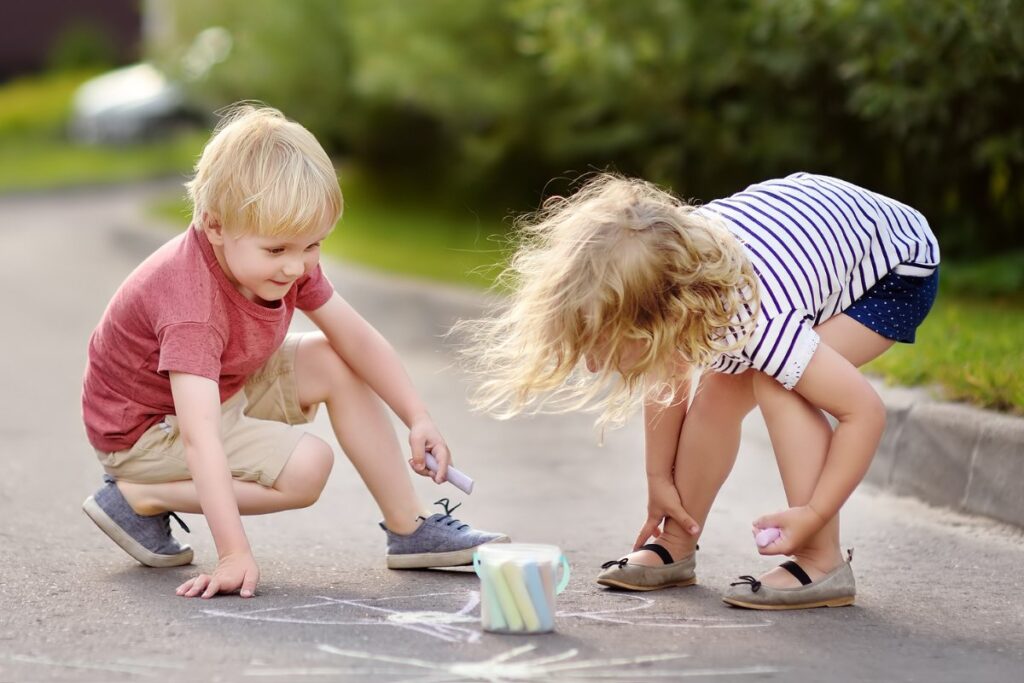
Summer is a great time to give preschoolers small responsibilities that build confidence and independence. Packing a bag for the park, carrying their own water bottle, or cleaning up after a picnic are simple ways to encourage social development through self-awareness and accountability. At school, we might ask our students to help clean up the chalk after outdoor play or pack up their belongings after water play. 

Talking About Feelings in Real Time

Big summer fun can come with big feelings. Maybe your child missed a nap, dropped a popsicle, or had to leave the park earlier than they wanted. These situations are valuable chances to help them name and work through their emotions. Try using calm, clear language: “You seem really sad that we had to leave.” Then offer reassurance: “It’s okay to feel that way. Let’s take a minute to calm down, and we can talk about it together.”

Encouraging Empathy and Kindness

From sharing a bubble wand to thanking someone for a snack, summer is full of small moments where children can practice kindness. These acts may seem simple, but they help children learn empathy and strengthen their relationships with others. When you notice a kind action, point it out: “That was really thoughtful of you to share your toy. Look how happy that made Evan!” Over time, they’ll begin to notice and repeat those moments on their own.

By encouraging patience, independence, kindness, and emotional awareness, you’re helping your child develop essential skills. These small, intentional moments add up to big learning, and some sweet summer memories, too.

To learn more about how we develop social-emotional growth over summer, and throughout the year, contact us today! 

Ways to Teach Your Preschooler Active Listening Skills

Listening is a big part of how young children learn, play, and connect with the world around them. For preschoolers, “active listening” means more than just hearing words. It’s about focusing, understanding what they hear, and responding in thoughtful ways. This might look like making eye contact, following directions, answering questions, or waiting their turn to speak. These foundational skills support social-emotional development and school readiness. With time and support, your child can develop these skills and make meaningful connections.

Here are a few simple early childhood listening strategies you can try at home to improve active listening: 

Model Active Listening 

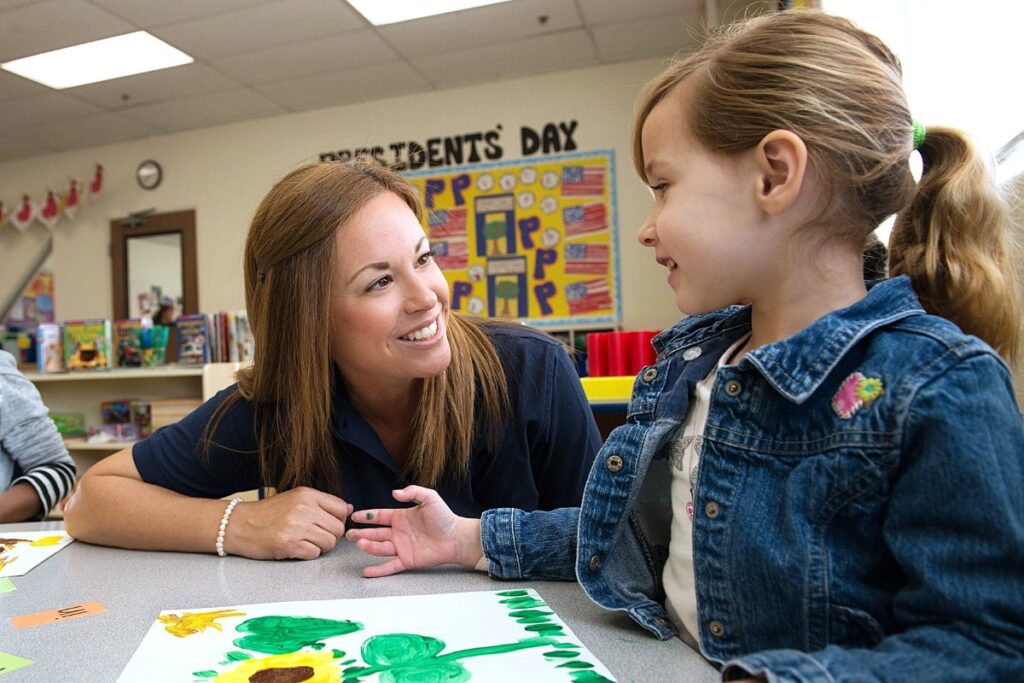
Give your child your full attention when they’re talking to you. Pause what you’re doing, make eye contact, and get down to their level. Nod, smile, or repeat back what they’ve said to show you’re truly listening. Phrases like “I hear you” or “Let me make sure I understand…” help validate their thoughts and feelings.

Teach Whole Body Listening

Talk about how we use our whole body to listen: “Listening ears,” “watching eyes,” “quiet mouth,” “still hands,” “thinking brain,” and “respectful hearts.” Make it playful and consistent! This is something we regularly practice in our schools. As we begin Circle Time, we remind our students of these steps to help them listen and learn. 

Play Listening Games

These games make listening exciting and strengthen other important skills through play.

  • Simon Says: A classic that boosts focus and listening as children follow directions, but only when “Simon Says!”
  • Freeze Dance: Invite your child to dance and move, but freeze when the music stops, helping build self-control.
  • What Was That Sound?: A playful way to sharpen listening and language skills by identifying and describing different sounds.
  • Draw What You Hear: A great activity to spark creativity and comprehension as your child draws what they hear in a story or description.

Read Together Daily

Books are a natural way to build attention and listening skills. As you read, ask questions like “What do you think will happen next?” or “Why do you think she felt that way?” Make reading interactive by inviting your child to clap whenever they hear a special word.

Make Listening Routine

Every day moments are perfect for building listening skills. During meals, car rides, or bedtime, ask open-ended questions like “What’s your favorite animal, and why?” or “What made you happy today?” Take turns sharing your answers. Let your child lead the conversation sometimes, and model how to listen thoughtfully and respond with care. 

When your child shows signs of being a good listener, let them know you noticed! Praise their efforts with specific feedback, like “I noticed how you waited your turn to talk. That was great listening!” Positive reinforcement builds confidence and encourages them to keep practicing.

By modeling good habits, playing together, and celebrating your child’s progress, you’re helping your child build strong communication skills that will last a lifetime.

  • Employer Partnerships
  • Blog
  • Careers
  • Privacy Policy
  • CA Privacy
  • Terms of Use
  • Sitemap

©2026 All Rights Reserved Spring Education Group

Headquartered in Campbell, California, Spring Education Group is majority-owned by investment funds administered by Primavera Holdings Limited, an investment firm owned by Chinese persons and principally based in Hong Kong with operations in the United States, China and Singapore.

Follow Us:
youtube facebook instagram
Contact Us