
November 21, 2025
Art & Music
Developmental Milestones
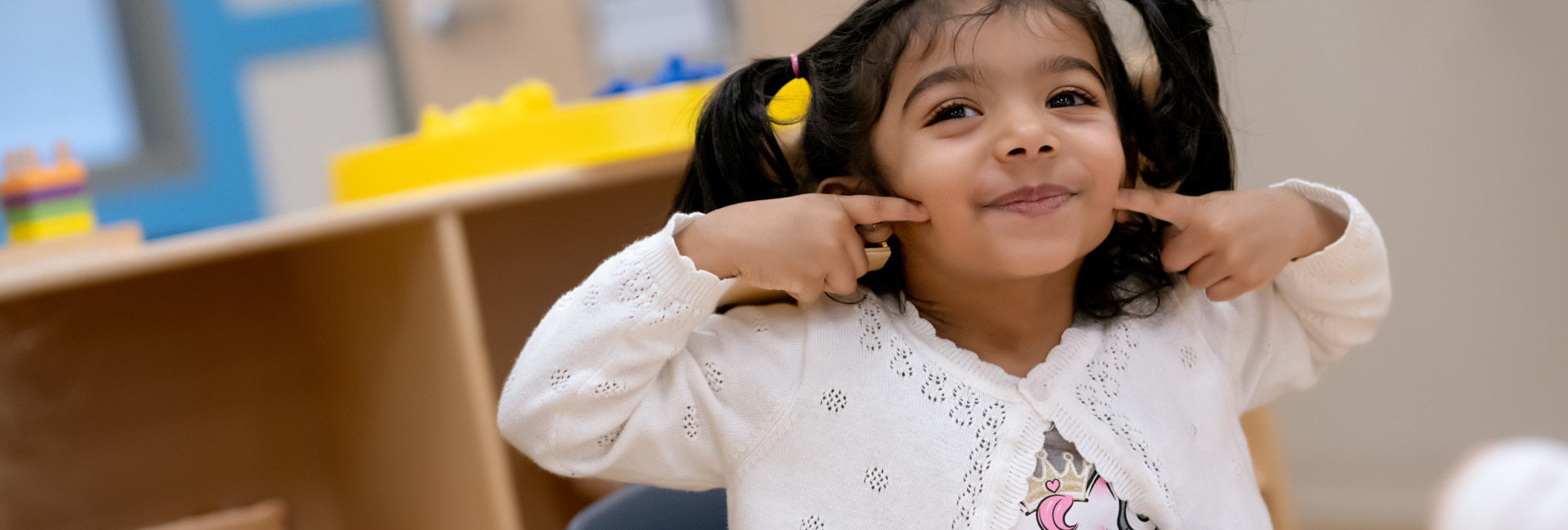
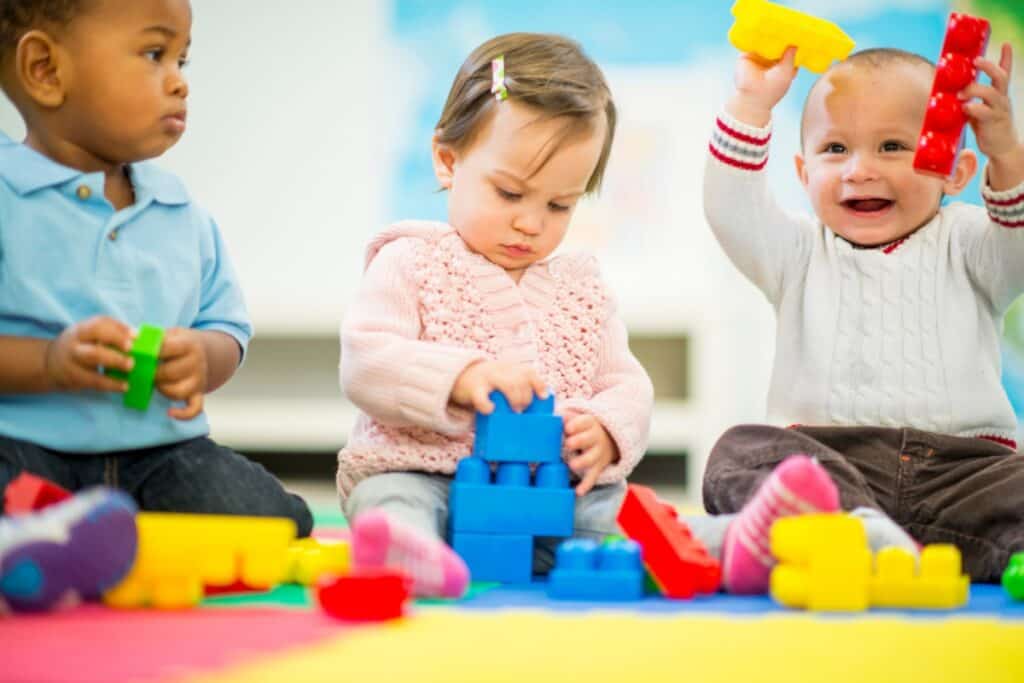
If you have a toddler, you have probably seen this before: two children sitting next to each other, both busy playing, but not actually playing together. One is stacking blocks. The other is pushing a toy car. No sharing. No teamwork. No interaction.
Believe it or not, this is a very important stage of development called parallel play. It may look simple, but it plays a big role in how young children learn to be around others and build early social skills.
Let’s break down what parallel play is, what it looks like, and why it matters so much for toddlers.
Parallel play is a stage of early childhood development, usually seen between the ages of 18 months and 3 years old. During this time, children play near other children, often with similar toys or in the same area, but they focus on their own activity instead of playing together. In other words, they are learning to be around other children before they are ready to play together.
Here are a few common examples:
Children may glance at each other, copy what another child is doing, or listen to nearby sounds and voices. But they are still very focused on their own play. This stage is completely normal and healthy. It is a bridge between playing alone and playing cooperatively with others later on.
Over time, these skills help children feel more confident joining group play, sharing toys, and forming friendships.
The best way to support parallel play is to give children the space and time to do it naturally.
Here are a few simple tips:
At our preschool, we understand how important this stage is. Our classrooms are designed to encourage side-by-side play with open spaces, shared materials, and plenty of time for children to explore at their own pace. Our teachers gently support learning by modeling kind behavior, using simple language, and allowing children to build confidence in social settings without pressure. This approach helps toddlers feel secure, capable, and ready for the next stages of social development.
To learn more about how we give children the time, space, and guidance they need to build social skills, contact us today!